Loading, please wait...
Running
Yoga for Runners: 4 Stretches and a Simple Post-Run Routine
Give tired legs a change of pace with four yoga stretches for runners, easy modifications, and a simple five-minute routine for after your run.
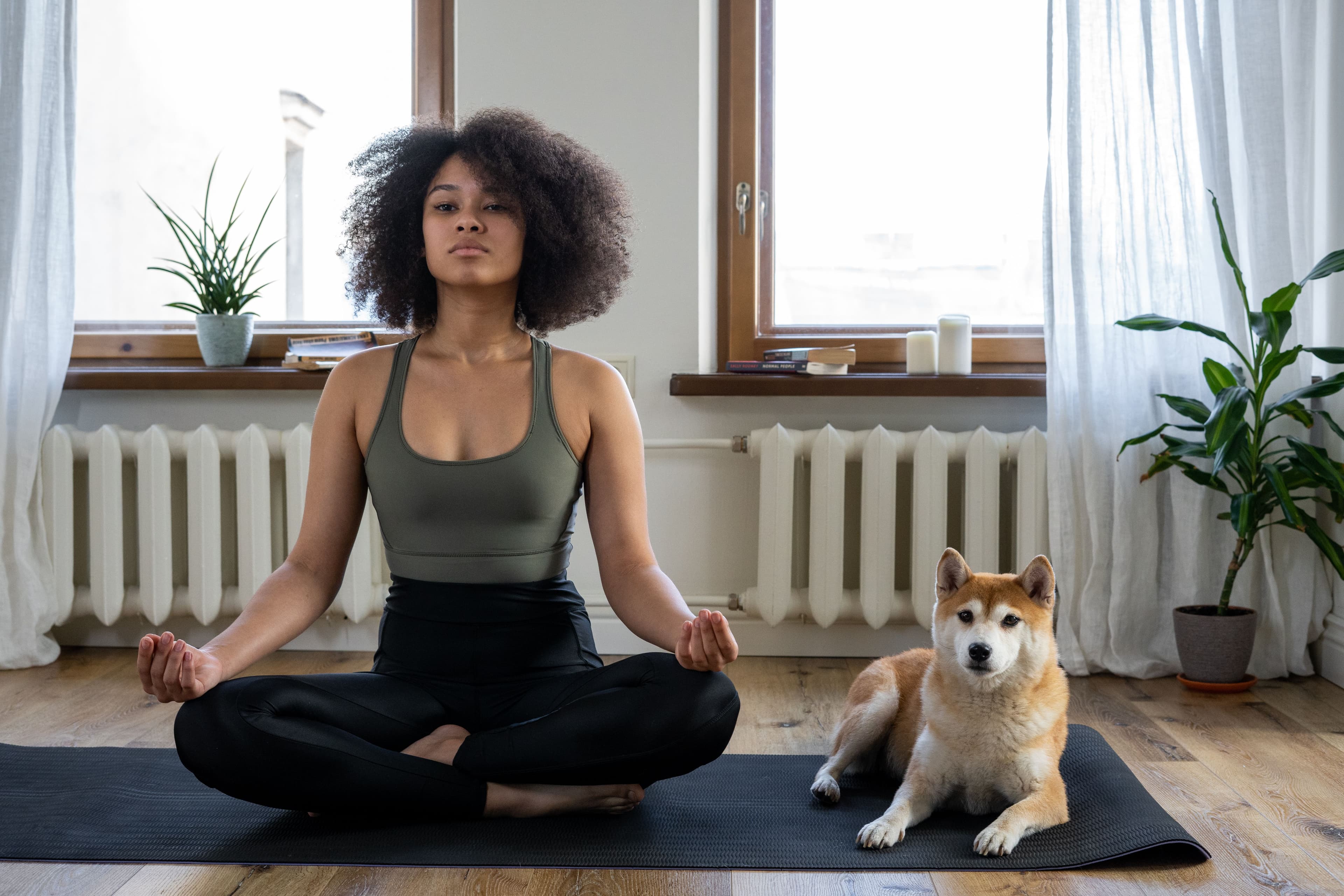
Some runs leave you floating. Others leave you negotiating with the stairs. A little yoga can give you a way to slow down, move through a few comfortable stretches, and pay attention to the parts of your body that have been doing all the work.
You do not need impressive flexibility or a studio membership. Start with the four poses below and a few quiet minutes after you have cooled down from a run. The aim is a repeatable habit, not a dramatic before-and-after photo of your hamstrings.
What yoga adds to a runner's week
Running repeats a relatively narrow set of movements. Yoga adds a change of pace: different positions, controlled movement, and time to notice how each side feels. Regular stretching can help flexibility and range of motion, while the slower rhythm gives you something to focus on besides pace and mileage.
It is a useful companion to running, rather than a promise of faster recovery or an injury-free season. The Mayo Clinic's stretching guide explains the benefits of flexibility work and why the timing matters.
Four yoga poses to start with
1. Downward Dog: give your calves some attention
Start on hands and knees, spread your fingers, tuck your toes, and lift your hips up and back. Keep a bend in your knees so you can lengthen your back without trying to force your heels to the floor. Let your head sit comfortably between your arms.
Spend a few breaths there. Gently bend one knee and then the other to explore the stretch through each calf. Your heels do not need to touch the mat; that is not the entrance exam.
Make it easier: keep both knees bent and focus on reaching your hips back. More bend often makes more sense than rounding your back to chase straight legs.
2. Low Lunge: make room at the front of your hips
From hands and knees, step one foot forward between your hands and let the other knee rest on the mat. Keep your front knee over your ankle and lift your chest gently. Place your hands on your front thigh or keep them supported beside your foot.
Move forward only a little, until you notice a comfortable stretch at the front of the trailing hip. Keep your torso tall rather than leaning backward for a bigger stretch. Hold for about 30 seconds, then change sides.
Make it easier: put a folded towel under the back knee and shorten your stance. You are looking for a manageable stretch, not the deepest lunge in the room.
3. Reclined Figure Four: a gentler alternative to Pigeon
Lie on your back with both knees bent and feet on the floor. Rest your right ankle across your left thigh, just above the knee. Stay there if that is enough of a stretch. For more, lift your left foot and hold behind the left thigh, drawing the legs toward you gently.
Keep your head and shoulders relaxed, with your right foot gently flexed. Hold for about 30 seconds and switch sides. This gives you a way to explore a hip and glute stretch without arranging your legs in floor Pigeon Pose.
Make it easier: leave the supporting foot on the floor. Avoid pressing down on the crossed knee; the stretch does not need a helping shove.
4. Child's Pose: finish at a slower pace
Start on hands and knees, bring your big toes toward each other, and move your hips back toward your heels. Separate your knees as much as feels comfortable and reach your arms forward. Rest your forehead on the mat or a folded towel.
Take a few easy breaths. Let this be the part of the session where nothing needs to improve. If the position bothers your knees or ankles, finish lying on your back with your knees bent instead.
A simple five-minute post-run routine
- Settle first: finish your cooldown and give your breathing a moment to ease.
- Downward Dog: take three to five relaxed breaths, keeping your knees bent as needed.
- Low Lunge: about 30 seconds on each side.
- Reclined Figure Four: about 30 seconds on each side.
- Child's Pose or a comfortable rest: take five easy breaths.
That is enough for a first pass. Move between poses slowly, breathe normally, and aim for a gentle stretch rather than pain. The routine should leave you thinking "I could do that again," not "I survived it."
Before a run, keep things moving
A longer stretch session is a different job from a running warmup. Before heading out, begin with easy walking or jogging and gradually add movements that prepare you for the run. Save these longer holds for after your muscles are warm, especially around speed sessions.
On a non-running day, the same short routine can be a pleasant movement break after a little easy activity. You do not need to bolt a full yoga class onto every workout; consistency is easier when the extra feels small.
The only gear you really need
A comfortable floor surface and enough room to stretch out will get you started. A folded towel can add padding under a knee. If you want a mat, our budget yoga-mat comparison explains the difference between thicker floor-work mats and yoga-focused options.
Give the routine a regular place in your week, then notice which poses you enjoy and which you want to modify. The goal is to support the running you love, with a few minutes that feel like yours.