Loading, please wait...
The Cheapest High-Protein Foods Ranked by Protein Per Dollar.
Trying to eat more protein without overspending? Here are the cheapest high-protein foods ranked by protein per dollar, from eggs and tuna to lentils, split peas, and pinto beans.

Protein has a health halo, but it also has a pricing problem. The minute you start paying attention to macros, labels, and anything marketed as “high protein,” your grocery bill can rise in a hurry. That is exactly why this list matters.
Instead of leaning on pricey bars, trendy shakes, or heavily marketed convenience foods, it often makes far more sense to focus on the basics. Some of the cheapest foods in the grocery store are also some of the best sources of protein for the money. If you want to eat well, stay full longer, build muscle, or simply make your budget stretch further, knowing which foods deliver the most protein per dollar can make a real difference.
Below, we are counting down the cheapest high-protein foods ranked by protein per dollar, starting with the pricier options on this list and working toward the best overall value.
What “protein per dollar” really means
This is not a list of the leanest foods, the cleanest foods, or the trendiest foods. It is a value list. The goal is simple: find foods that give you a meaningful amount of protein without demanding too much from your wallet.
Price is not everything, of course. Some foods are cheaper but take more prep. Others cost a bit more but are much easier to eat consistently. The smartest approach is usually not choosing one perfect food, but building around a few affordable staples that fit real life.
-
Canned Sardines (about 9.3¢ per gram of protein)
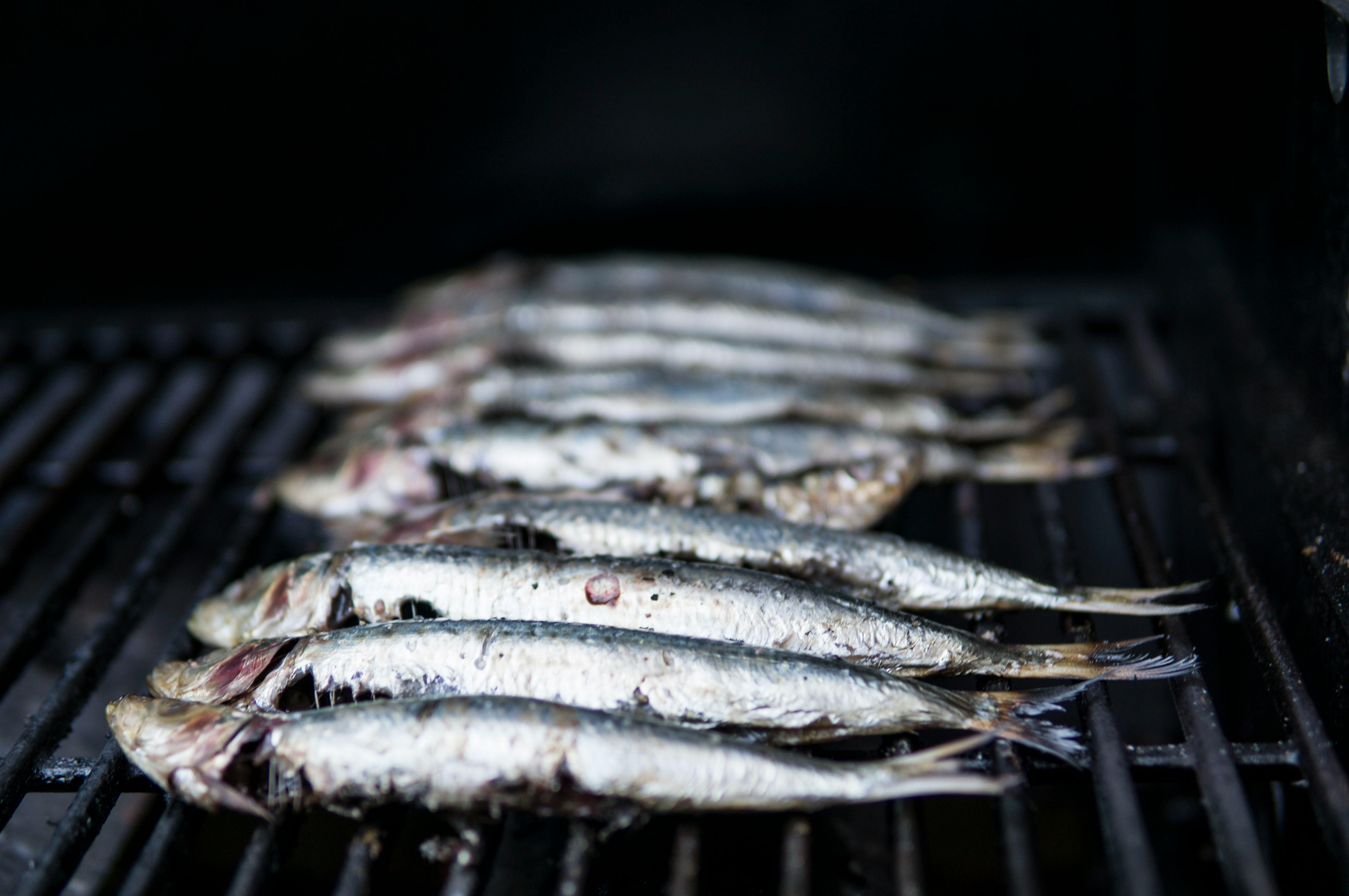
Sardines are not the most universally loved option on this list, but in terms of value, they still deserve a mention. They are shelf-stable, nutrient-dense, and easy to keep on hand for a quick meal when the fridge is looking sparse.
Their biggest issue is not quality. It is broad appeal. If you like them, they can be a smart buy for toast, rice bowls, salads, or quick lunches. If you do not, no amount of efficiency on paper is going to save them.
-
Canned Tuna (about 5.6¢ per gram of protein)

Tuna has been a budget protein staple for years because it solves a very specific problem: you need protein, you do not want to cook, and you want something fast. Open the can, build a sandwich or salad, and you are basically done.
It is not the cheapest protein per gram on this list, but it is one of the easiest. That convenience gives tuna staying power. There is a reason people keep coming back to it.
-
Boneless Skinless Chicken Thighs (about 4.3¢ per gram of protein)
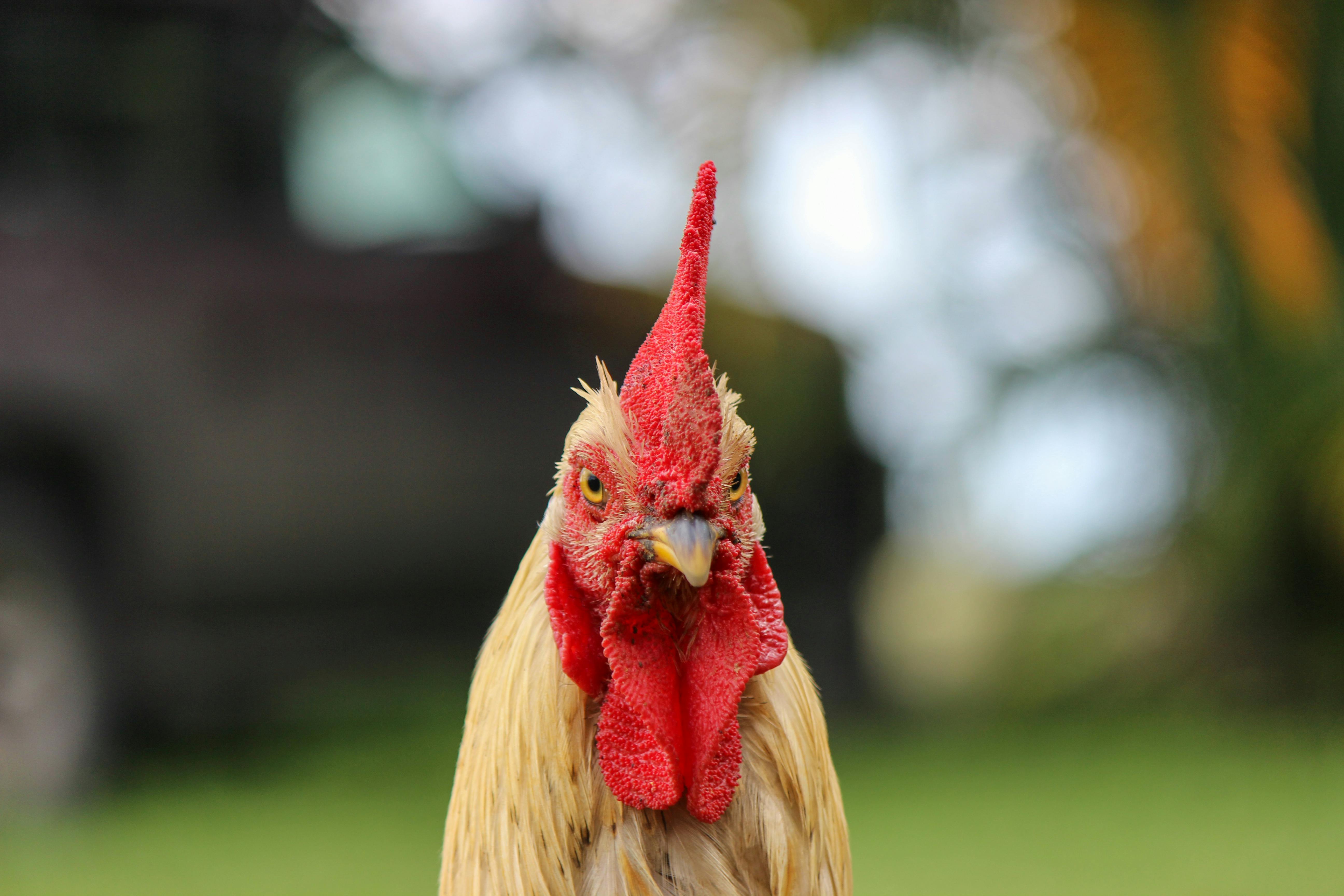
Chicken breast gets more attention, but chicken thighs are often the smarter budget choice. They are typically cheaper, richer in flavor, and much more forgiving to cook.
If you want a satisfying animal protein that works in meal prep, tacos, rice bowls, wraps, and sheet-pan dinners, chicken thighs are one of the most realistic options on the board.
-
Cottage Cheese (about 4.1¢ per gram of protein)
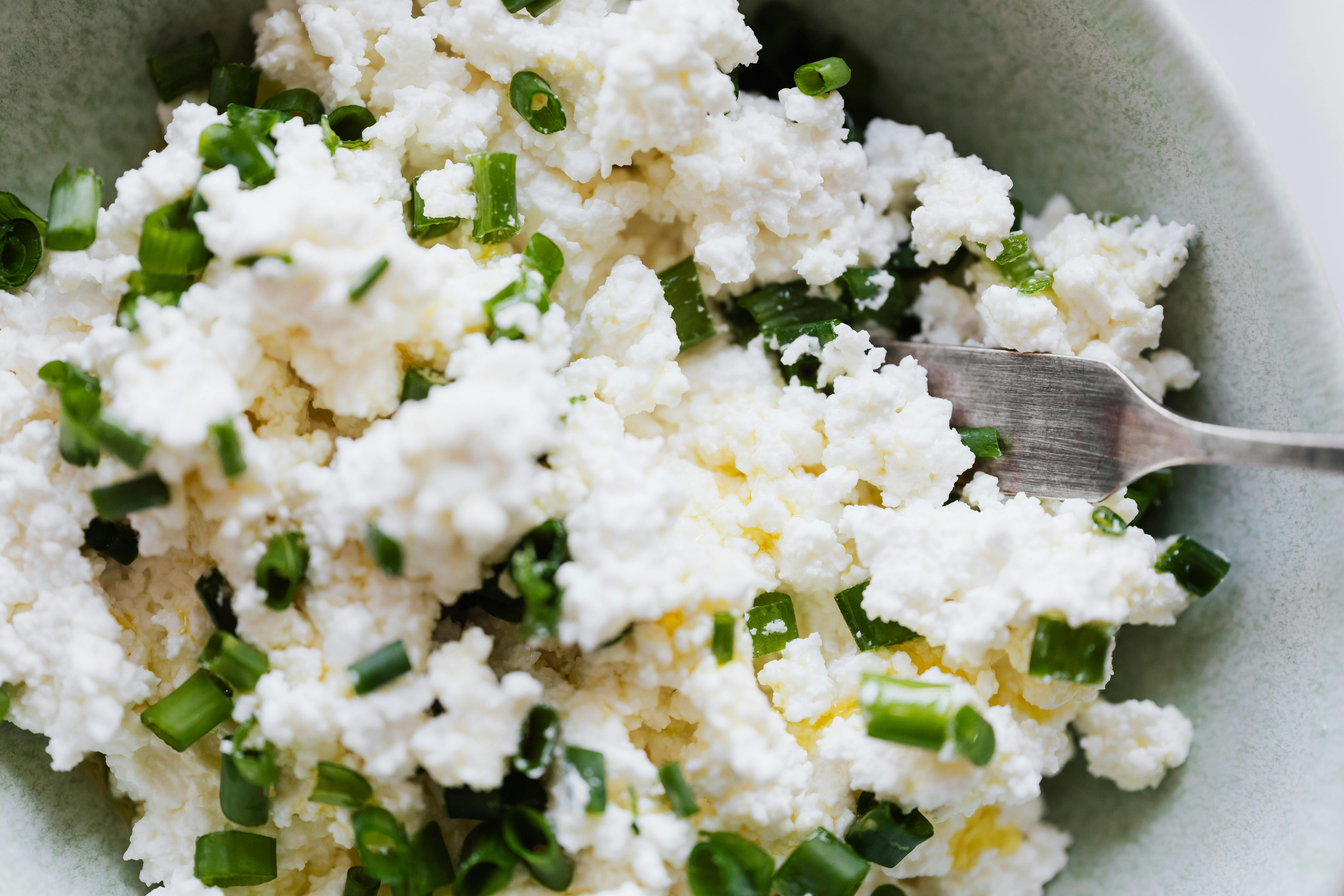
Cottage cheese has quietly gone from old-school diet food to one of the most practical high-protein staples in the store. It is affordable, filling, and far more versatile than many people give it credit for.
Eat it with fruit, spread it on toast, blend it into sauces, or use it to round out a meal with almost no effort. It is one of the easiest ways to keep ready-to-eat protein in the fridge.
-
Whole Milk (about 2.4¢ per gram of protein)
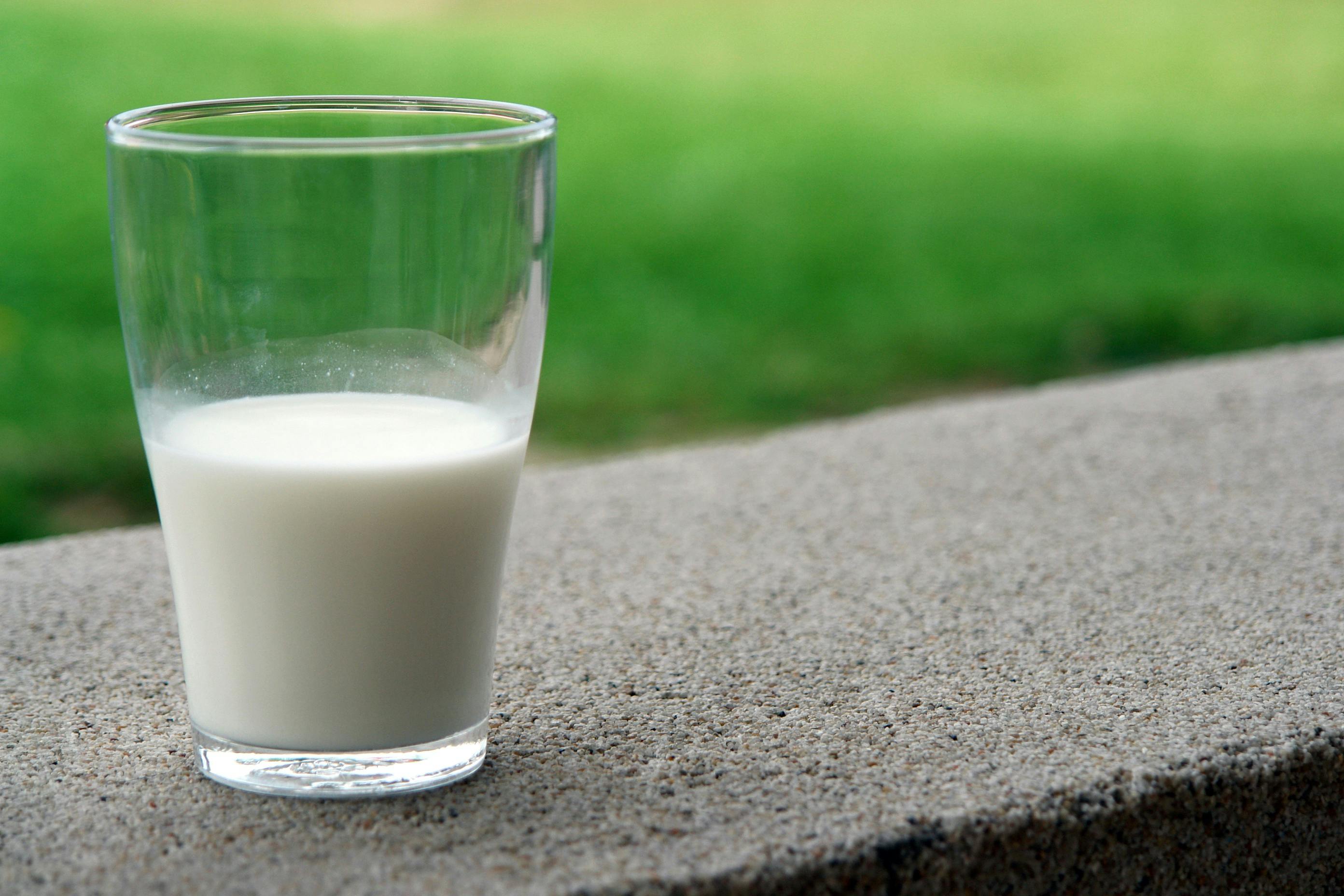
Milk is easy to underestimate because it feels too ordinary to be impressive. That is exactly why it is useful. A gallon gives you a meaningful amount of protein, costs less than many specialty drinks, and requires zero prep.
It slips into normal life without asking much from you. Drink it, pour it over cereal, use it in oats, or blend it into a smoothie. That kind of convenience matters.
-
Eggs (about 2.3¢ per gram of protein)

Eggs remain one of the most useful foods in any kitchen. They are quick, adaptable, and easy to work into breakfast, lunch, dinner, or a backup meal when you have run out of ideas.
Their exact ranking can move around because egg prices swing so much, but at current store-brand pricing they are one of the better values on this list. More importantly, they are one of the easiest proteins to actually use consistently.
-
Lentils (about 1.6¢ per gram of protein)
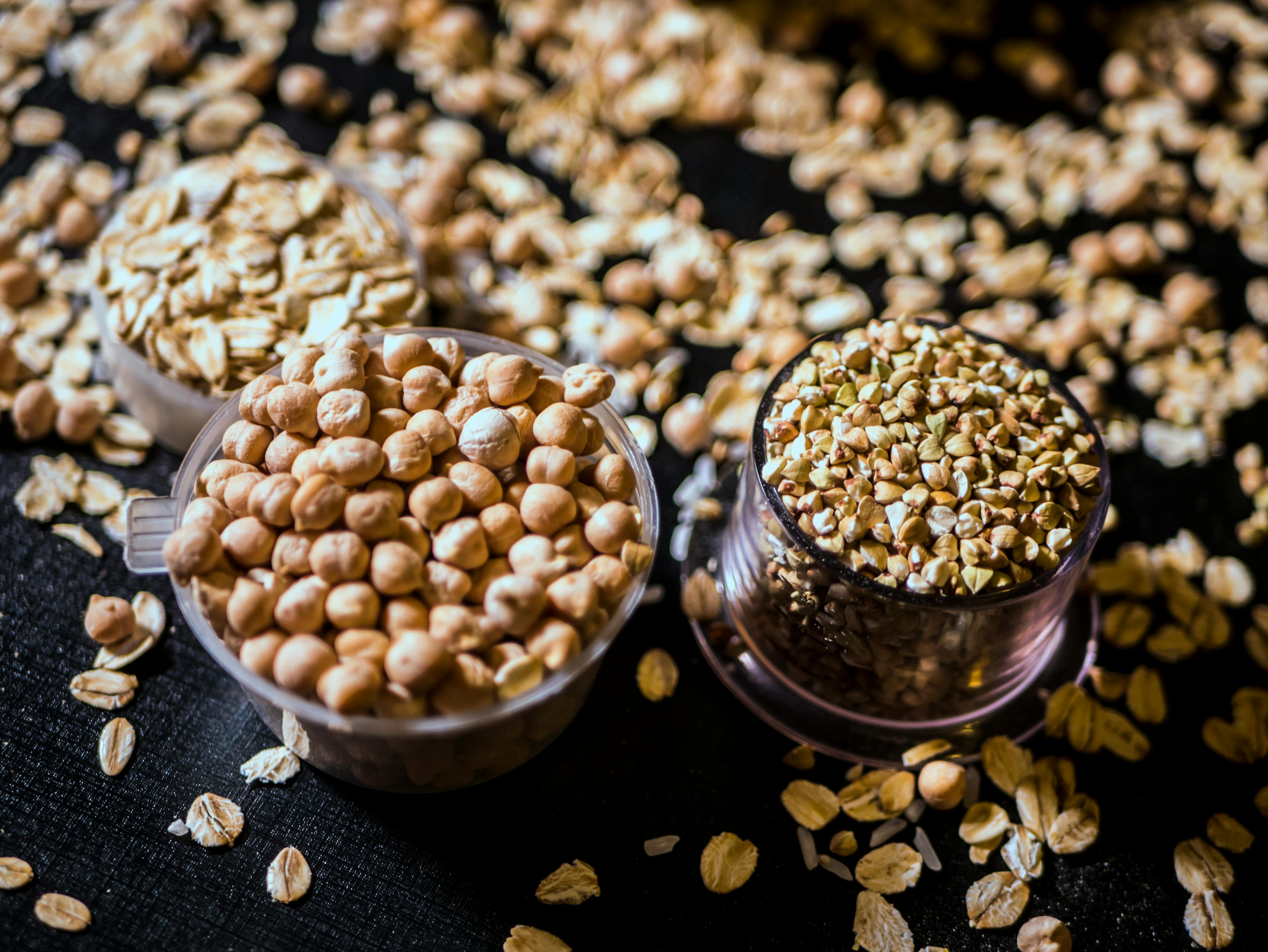
Lentils are where this list really starts to separate budget protein from expensive protein marketing. They are cheap, filling, nutrient-dense, and easier to cook than a lot of people expect.
They work in soups, curries, grain bowls, salads, and hearty side dishes. More importantly, they feel like food you can actually build meals around, not just a macro source with branding wrapped around it.
-
Natural Peanut Butter (about 1.6¢ per gram of protein)

Peanut butter is a bit of a wildcard. It is not a lean protein food, and nobody should pretend otherwise, but in strict protein-per-dollar terms it holds up remarkably well.
It is cheap, shelf-stable, easy to add to meals, and convenient in a way many high-protein foods are not. It works best as a supporting protein source, but it is an undeniably useful one.
-
Yellow Split Peas (about 1.1¢ per gram of protein)
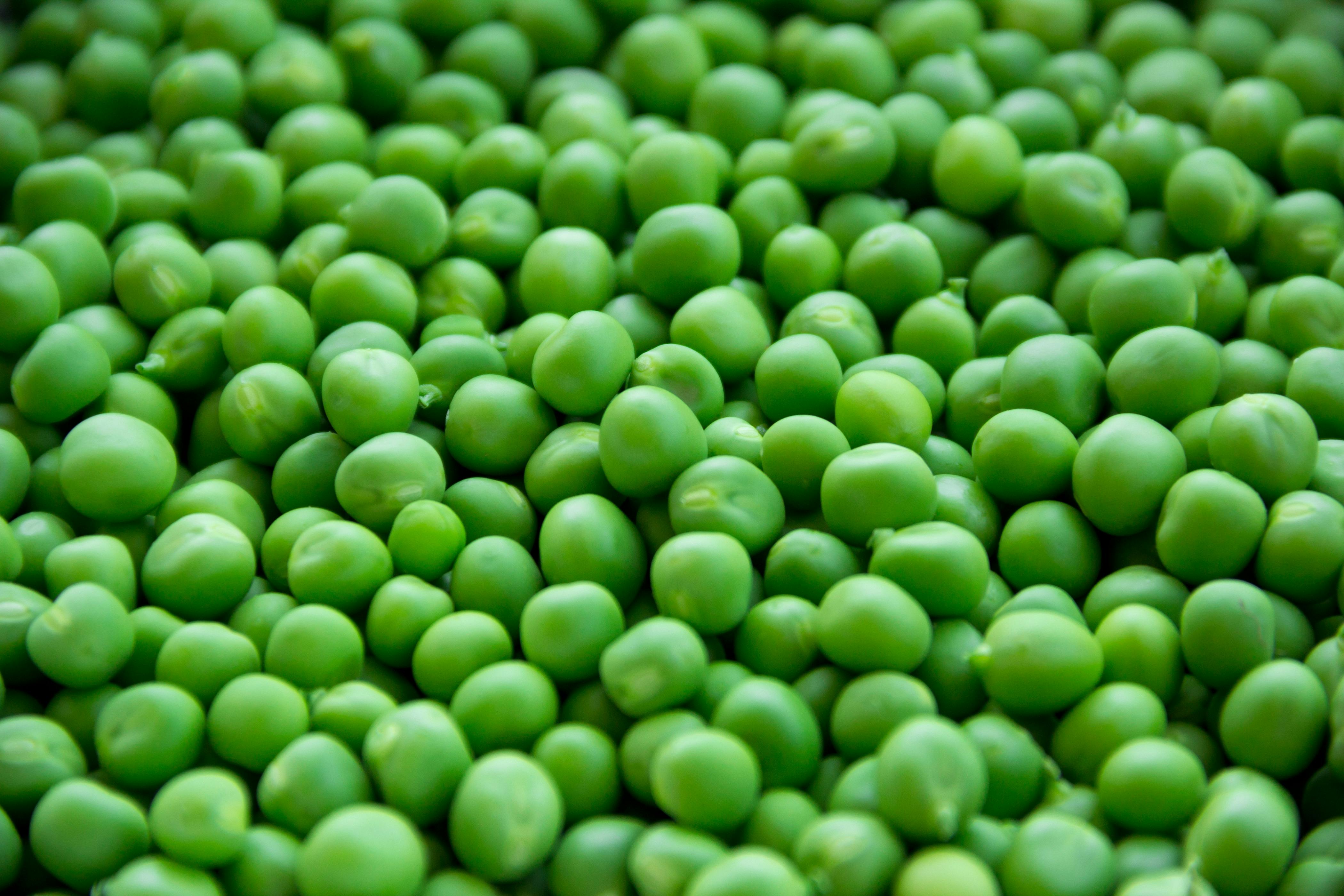
Split peas do not get enough credit. They are one of the strongest values in the grocery store, full stop. Cheap, shelf-stable, filling, and protein-rich, they are exactly the kind of food that makes a budget stretch further.
They shine in soups, stews, and one-pot meals where a small amount turns into something hearty and satisfying. If you are trying to eat more protein without spending like you live in the supplement aisle, split peas are a smart move.
-
Pinto Beans (about 1.0¢ per gram of protein, best overall value)

If the goal is to find the cheapest high-protein food ranked by protein per dollar, pinto beans take the top spot. They are inexpensive, flexible, easy to buy in bulk, and capable of turning into an impressive number of meals for very little money.
Chili, burrito bowls, soups, tacos, rice and beans, meal prep containers, simple side dishes — pinto beans do all of it. They also bring fiber and staying power, which means they help with fullness in a way many processed “protein foods” simply do not.
They are not glamorous. They do not come in flashy packaging. Nobody is trying to convince you they are revolutionary. They are just cheap, dependable, protein-rich, and one of the best values in the store. Sometimes that is the whole point.
A few foods that barely missed the list
Black beans, Greek yogurt, tofu, and bulk chicken breast can all be strong value buys depending on where you shop and what is on sale. Grocery prices move around, and local deals matter more than people think.
The smartest way to use this list
The best budget high-protein diet usually does not come from obsessing over one food. It comes from combining a few inexpensive staples in a way that feels realistic. Maybe beans or lentils anchor dinner. Eggs handle breakfast. Milk or cottage cheese fills snack gaps. Chicken thighs step in when you want something more substantial.
That is usually the sweet spot: low cost, decent variety, and enough protein to support your goals without making every grocery trip feel like a financial mistake.
If you want the shortest version, start with dried beans and split peas first. Then build around practical staples like lentils, eggs, milk, cottage cheese, and whichever discounted animal proteins fit your budget that week. The cheapest high-protein foods are rarely the trendiest ones, but they are often the ones that make healthy eating sustainable.