Loading, please wait...
Swimming
Best Practices for Swimming Endurance
Swim farther without turning every session into a slog. Build your endurance with stroke drills, interval training, breathing practice, and recovery habits.
Introduction
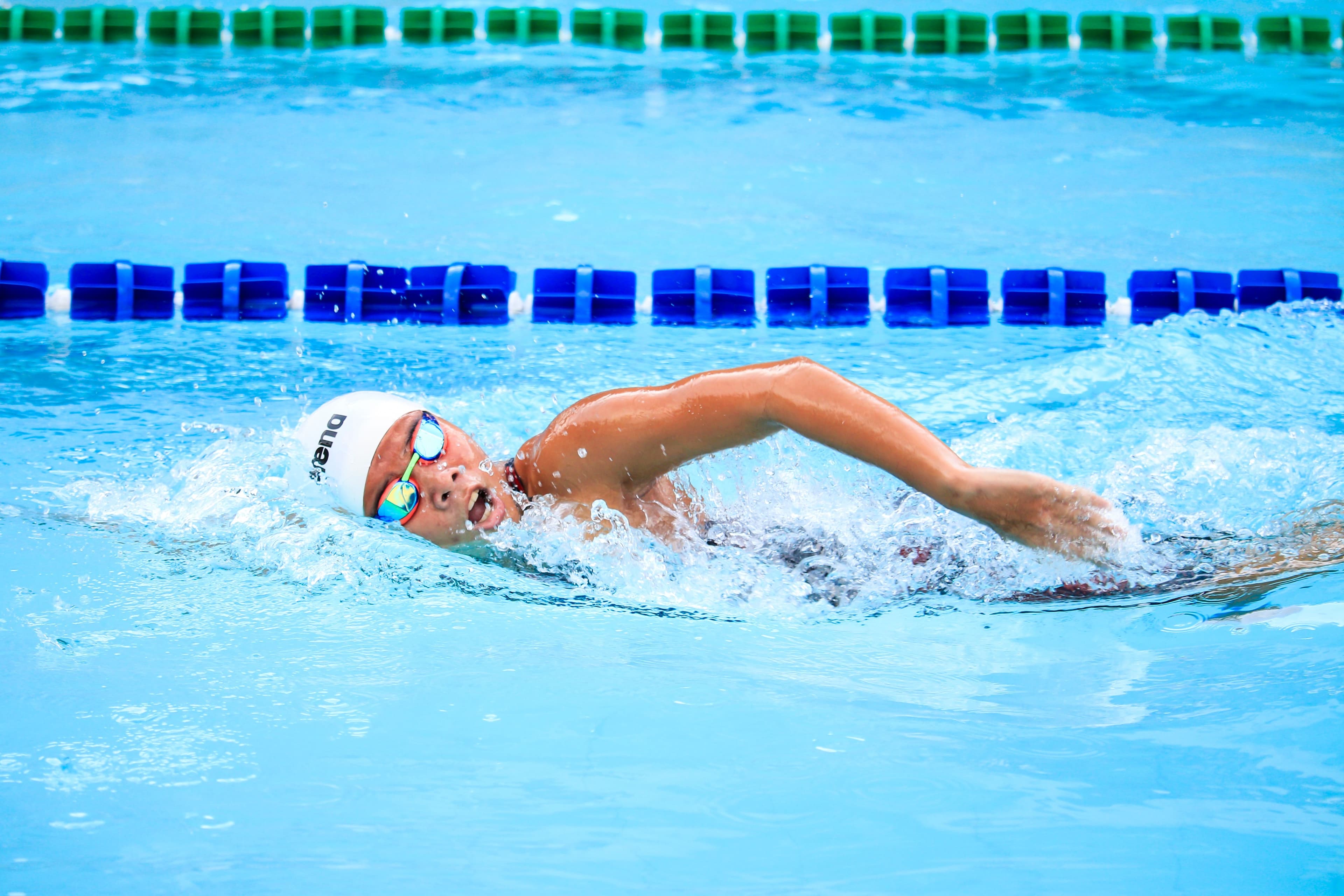
Endurance is the heart and soul of long-distance swimming. Whether you’re preparing for your first triathlon, aiming to conquer open water, or simply want to swim farther without feeling drained, true swimming endurance blends smart technique, focused workouts, and mindful recovery. Over years in the pool (and a few open-water adventures), I’ve seen how a few key habits can transform your stamina. Here’s what really works for swimmers who want to go the distance—and enjoy every lap.
Focus on Technique
Before you start stacking up the miles, invest in your stroke. Efficient swimming isn’t just about speed—it’s about gliding through the water with as little wasted effort as possible. That means:
- Streamline Your Form: Stay long and aligned in the water. Keep your head relaxed, hips up, and eliminate “wobble”—the less you fight the water, the more the water works for you.
- Consistent Breathing: Master bilateral breathing (inhaling on both sides) to keep your stroke balanced and your muscles oxygenated. This pays off big-time on long sets and open-water swims.
- Regular Drills: Add focused drills—catch-up, fingertip drag, sculling—at least once a week. These teach your body muscle memory for clean, efficient strokes, so you can swim farther with less fatigue.
Incorporate Interval Training
Want more endurance? Mix up your workouts with intervals—alternating bursts of effort with short recovery. This style of training builds stamina, speed, and mental grit all at once.
- Set Defined Intervals: Try sets like 10 x 100 meters with 15–30 seconds rest between each. Push the pace during the work interval, then recover actively (easy swimming, not standing still).
- Mix It Up: Change the distances, speeds, and rest periods each week. Your body—and your mind—thrive on variety. You’ll see your sustainable pace increase as you adapt.
- Track Your Progress: Use a waterproof watch or a good old poolside clock. Watch those interval times drop as your fitness grows—nothing’s more motivating.
Strength and Flexibility Training
Endurance swimmers are full-body athletes. Dryland work isn’t optional—it’s the difference between good and great.
- Core Workouts: Planks, side planks, and Pilates moves develop the stability you need for strong, balanced strokes. A solid core keeps your technique sharp when you get tired.
- Resistance Training: Use light weights or resistance bands for shoulder and back exercises. This builds the power for every pull, and helps prevent the nagging injuries that slow you down.
- Flexibility: Yoga and dynamic stretching keep your muscles long, limber, and less prone to cramping. A flexible swimmer is a fast-recovering swimmer.
Nutrition and Hydration
Don’t overlook what you eat and drink—swimmers need steady fuel and hydration to keep going strong.
- Balanced Diet: Eat a mix of complex carbs, lean protein, and healthy fats to support training and recovery. Carbs power those long swims, while protein rebuilds muscle and fat keeps you going when you hit the wall.
- Stay Hydrated: It’s easy to forget to drink water in the pool, but you’re sweating more than you realize. Sip before, during (if possible), and after every swim. Add electrolytes for longer sets or hot days.
- Smart Snacking: Have a light, energy-boosting snack before you hit the water—like fruit or a granola bar—and refuel with a balanced meal afterwards to speed recovery and keep building endurance.
Recovery and Mental Strategies
Stamina isn’t just physical—it’s about giving your body and mind time to recharge and stay motivated for the next big set.
- Rest Days: Build in at least one full rest day a week. Your muscles need downtime to repair, grow, and come back even stronger.
- Mental Focus: Distance swimming is as much a mind game as a physical one. Practice visualization and stay present in each set—breaking the workout into manageable pieces can help you push past fatigue.
- Sleep Well: Aim for 7–9 hours of quality sleep. The best swimmers treat sleep as part of their training—it’s where the real recovery happens.
Conclusion
Building swimming endurance isn’t just about grinding out laps—it’s about smart technique, structured training, and taking care of yourself in and out of the pool. Focus on your form, push your limits with intervals, stay strong and flexible, and fuel yourself right. Listen to your body, stay patient, and celebrate every sign of progress. The journey to true swim endurance is as rewarding as the destination—so dive in, and enjoy every stroke!